
Cats are creatures of habit. They find comfort in familiar routines, safe spaces, and predictable surroundings. And unlike dogs, who often associate car rides with adventures, cats can see travel as an unwelcome disruption. So when the time comes to travel for a move, a vacation, or an international relocation, the idea of being confined in a carrier can feel overwhelming to them.
That’s why crate training is one of the most important steps you can take to help your cat feel secure and calm on the road or in the air. With time and patience, you can transform a crate from a dreaded box into your cat’s personal sanctuary. Done properly, crate training reduces anxiety, builds trust, and makes travel far safer and less stressful for both you and your feline companion.
Crate Training 101: Cats vs. Dogs
Dogs and cats have very different relationships with the world around them. Dogs are naturally curious pack animals that thrive on exploration. They encounter a variety of environments through daily walks, trips to the park, or errands in the car. This frequent exposure makes dogs more adaptable when it comes to crates. They often see them as cozy dens rather than confining cages, and many dog owners even use crates at home as a way to provide structure, safety, and comfort.
Cats, however, are wired differently. They are territorial by nature, preferring to remain in spaces they know intimately. A single change in their environment—a new piece of furniture, a different scent, or a shift in routine—can throw them off balance. When suddenly introduced to a crate, most cats react with suspicion or outright resistance. They may hide, refuse to enter, or even panic. For these reasons, crate training cats requires a very gradual, thoughtful approach.
In other words, unlike with dogs, you’re not simply creating a den-like space; you’re convincing your cat that a strange new object can actually become a safe haven.
When to Start Crate Training
The best time to start crate training is long before you actually need to travel. Cats need time to develop positive associations, and this process cannot be rushed. Ideally, you’ll want to begin the process at least four weeks before your departure date, though more time is always better. This timeline allows your cat to slowly adapt to the crate without associating it with sudden confinement or stressful events.
For kittens, the process is often faster. Young cats are naturally curious and adaptable, so they’re more likely to explore the crate and accept it as part of their environment. Beginning crate training at a young age helps make future travel experiences less intimidating. For older cats, however, patience is key. They tend to be more set in their ways and can perceive the crate as a threat. Training an adult or senior cat requires gentle consistency, repeated exposure, and a focus on comfort.
Regardless of your cat’s age, remember that the earlier you introduce the crate—even if you don’t have immediate travel plans—the more prepared your cat will be for when the time comes.
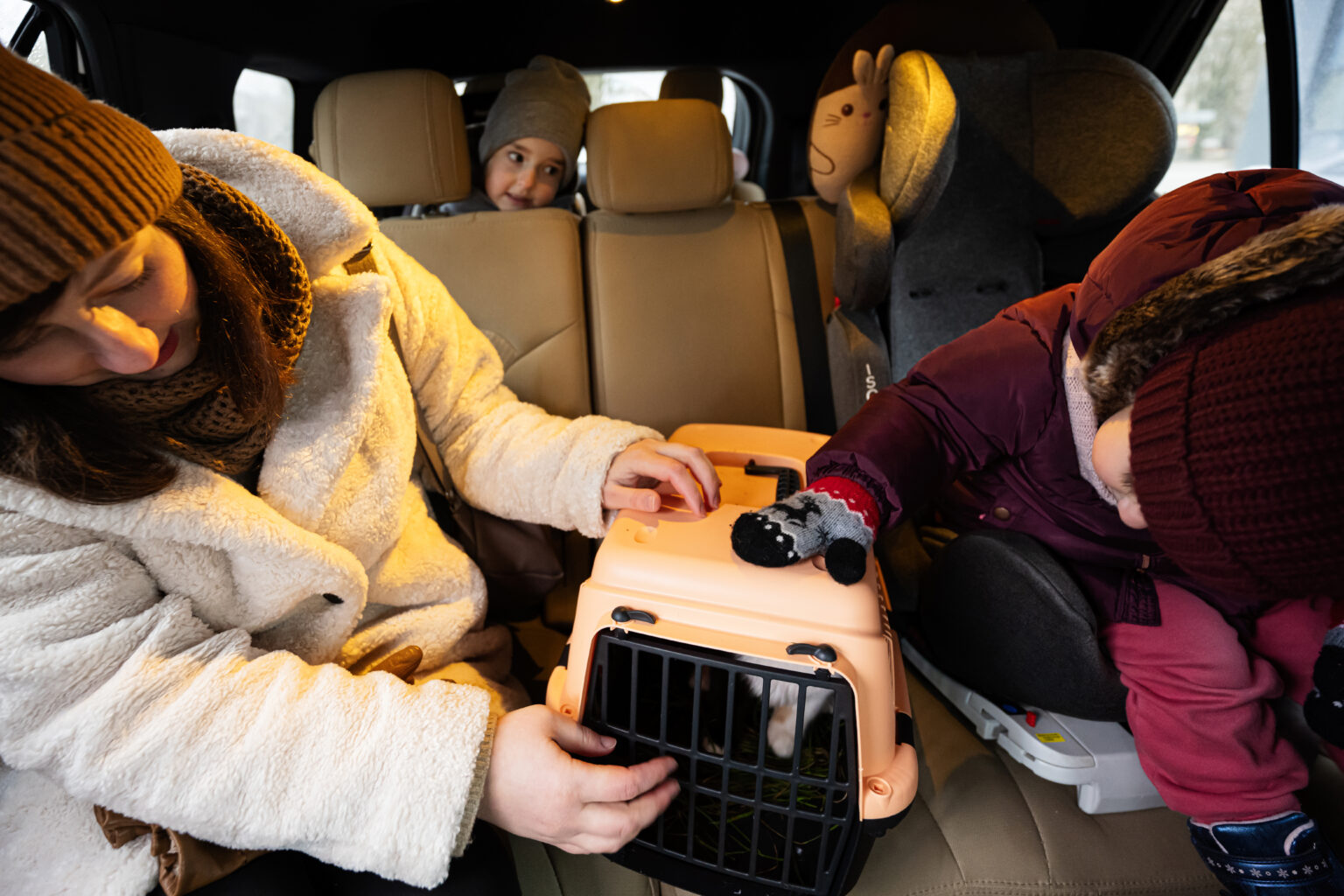
How to Crate Train a Cat for Travel
Crate training a cat is not a one-step process. It’s a gradual journey that builds your cat’s comfort, familiarity, and trust with the carrier. Each phase is designed to ease your cat into seeing the crate as something safe and positive rather than something frightening or confining.
Phase 1: Make the Carrier a Normal & Inviting Space
The first step in crate training is to change how your cat perceives the carrier. If the crate only appears right before a vet visit or a stressful trip, your cat will immediately associate it with negative experiences. To undo this, you need to integrate the crate into your cat’s daily environment until it feels like just another piece of furniture in the home.
Select the Right Carrier
Comfort starts with the right size. A crate that’s too small will make your cat feel trapped, while one that’s too large may feel unstable during travel. Your cat should be able to comfortably turn around, stand up, and lie down. Use our pet crate calculator to find the perfect fit.
Choosing the right carrier also means considering its type and features. Hard-sided crates tend to be more durable and reliable for longer or airline-approved travel, while soft-sided carriers may be more comfortable for shorter trips by car. Look for ample ventilation, secure locking mechanisms, and easy access points like top-loading doors.
Leave the Carrier Out
Don’t hide the crate until the last minute. Place it in a room where your cat spends a lot of time. Daily exposure allows your cat to investigate at their own pace. After a while, the crate becomes less of a foreign object and more of a familiar, harmless part of the home.
Make It a Cozy Spot
A bare plastic crate is uninviting. Transform it into a comfortable space with soft bedding, cushions, or a blanket your cat already uses.
Familiar scents are powerful for cats. They signal safety and belonging. When the crate smells like home, it’s far more appealing.
Use Positive Incentives
Encourage curiosity by placing treats, toys, or catnip inside the crate. Over time, your cat will start stepping in on their own to retrieve rewards, which builds positive associations and reduces resistance.
Phase 2: Create Positive Associations
Once your cat accepts the crate as part of the environment, the next step is to make it a source of good experiences. Cats need reasons to see the crate as more than just neutral; they need to link it with rewards, comfort, and even fun.
Use Meals for Motivation
Food is a natural motivator. Start by placing your cat’s dish near the crate, then gradually move it inside. Eventually, feeding inside the crate becomes routine, helping your cat associate it with nourishment and satisfaction.
Play Games Around the Carrier
Incorporate the crate into playtime. Toss a toy inside or dangle a wand toy just beyond the opening. When your cat runs in and out while playing, they’re becoming more and more comfortable with the crate without even realizing it.
Practice Closing the Door
Opening the door and providing praise or treats helps your cat understand that the crate is not a trap. At first, close the door for just a moment or two while your cat is inside. Then gradually extend the time, always staying nearby and offering reassurance.
Gradually Increase Duration
Work up to longer periods with the door closed while your cat remains calm. Start with minutes, then extend to half an hour or more. Make these experiences as stress-free as possible, and always end the session on a positive note.
Phase 3: Acclimate to Movement & Travel
Even if your cat becomes comfortable spending time in the crate, travel introduces new challenges. The sights, sounds, and vibrations of movement can unsettle cats. During this phase, your goal is to help prepare them for the sensations they’ll encounter on the road or in the air.
Lift & Move the Carrier
Begin by picking up the crate and carrying it around the house for a few seconds. Over time, increase the duration and distance. This process familiarizes your cat with the feeling of motion.
Introduce the Car
Place the crate in the car while the engine is off. Let your cat sit inside and take in the new environment. Once they seem relaxed, progress to turning on the engine for short periods without driving.
Take Short Trips
Start with brief drives around the block, then gradually extend the trips. These short journeys build tolerance for longer stretches of time and reduce the risk of panic when the real travel day arrives.
Cover the Carrier
Some cats become overstimulated by moving scenery. Drape a towel or blanket over the crate to block out visual distractions and create a den-like environment that encourages calmness.
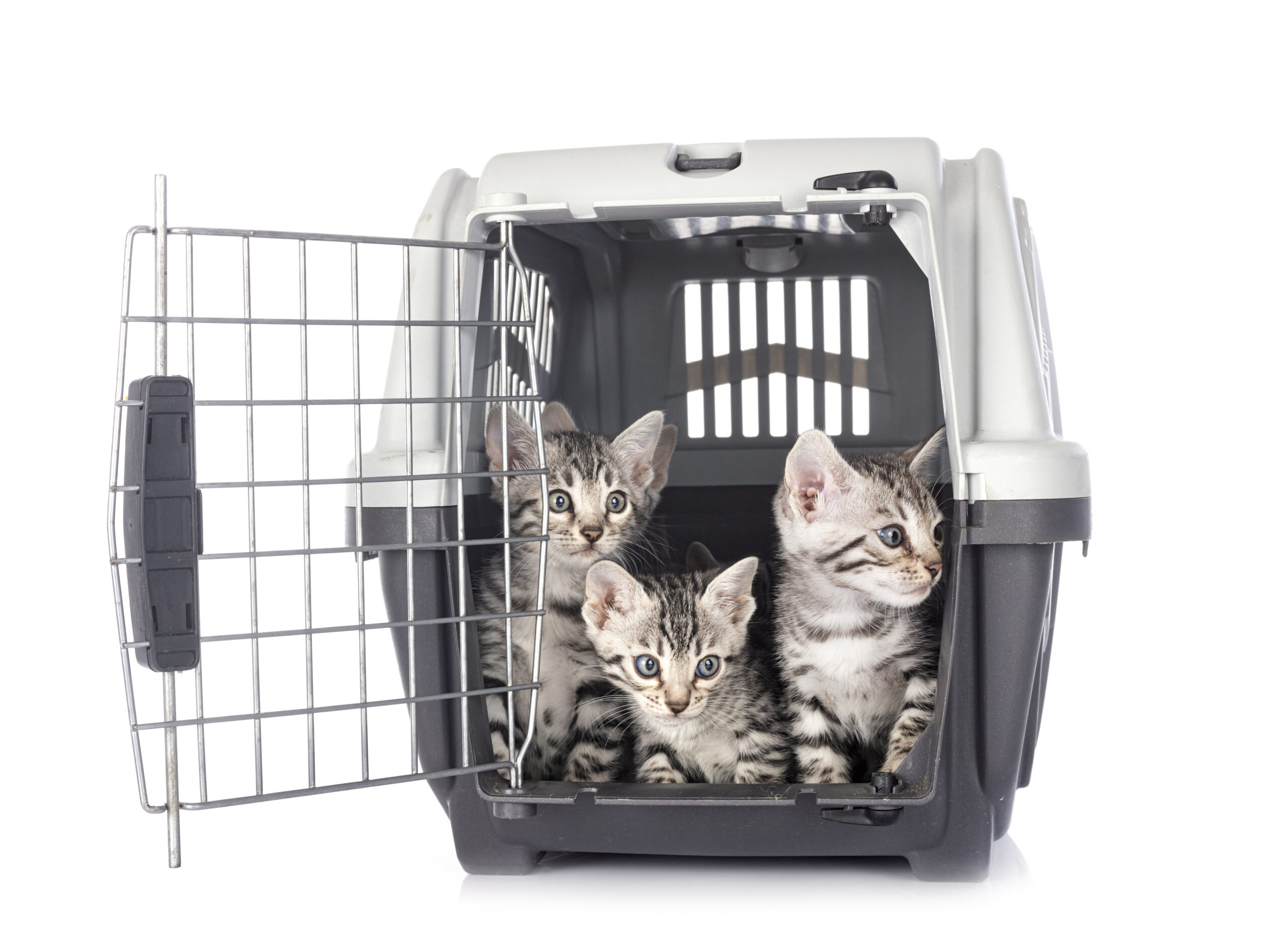
6 Common Mistakes to Avoid When Crate Training a Cat
Crate training isn’t always straightforward, and even well-meaning cat owners can make mistakes that set back progress. Recognizing these pitfalls—and knowing how to avoid them—can make the difference between a smooth training experience and a stressful one.
By steering clear of these common missteps, you’ll help your cat associate the crate with safety, comfort, and security.
Mistake 1: Waiting Until the Last Minute
One of the biggest mistakes is waiting until just before travel to introduce the crate. Leaving training to the last minute forces your cat into a stressful situation without preparation. Cats need time to adjust, and rushing the process almost always results in fear and resistance. If possible, plan ahead to give your cat weeks, not days, to grow comfortable.
Mistake 2: Forcing the Cat Into the Carrier
Shoving a cat into the crate when they aren’t ready creates a lasting negative association that can undo weeks of progress and make future training attempts much harder. Instead, focus on creating a welcoming environment that encourages your cat to enter voluntarily. Patience and positive reinforcement always work better than force.
Mistake 3: Using the Crate Only for Negative Experiences
If the only time your cat sees the crate is before a vet visit or a long car ride, they’ll quickly learn to fear it. The crate should be part of your cat’s normal environment, used for naps, play, and positive interactions. This way, the crate isn’t linked solely with stress or discomfort.
Mistake 4: Ignoring Comfort & Sizing
A poorly sized or uncomfortable crate can make even the best training efforts fail. Too small, and your cat feels cramped. Too big, and they may feel insecure or jostled during travel. Always choose a crate that balances comfort, stability, and safety, and add bedding and favorite toys to make it cozy.
Mistake 5: Opening the Crate in Unsafe Areas
Even well-trained cats can panic unexpectedly. Opening the crate in an unfamiliar or unsecured area puts your cat at risk of escaping. Always wait until you’re in a safe, enclosed, indoor space before opening the crate.
Safety must come first, even if your cat is meowing to get out.
Mistake 6: Skipping Gradual Exposure
Trying to skip phases or rush through training sets your cat up for failure. Each step in the process builds trust and familiarity. Skipping ahead too quickly can overwhelm your cat, causing setbacks and frustration. Consistency and patience are the keys to long-term success.

Even after crate training, travel itself can be challenging. Keeping a few best practices in mind can make a huge difference in how your cat experiences the journey.
Be Patient & Calm
Cats are highly attuned to their owner’s emotions. If you’re anxious, they’ll sense it. Speak in soft tones, avoid sudden movements, and remain calm. Your demeanor can set the tone for the entire trip.
Keep the Crate Closed Until Safe
It’s tempting to comfort your cat by opening the door during travel, but doing so is risky. Cats are quick and unpredictable, and they may dash out in panic. Wait until you’re in a secure indoor space before letting them out.
Provide Proper Ventilation
A well-ventilated crate is essential. Keep air flowing freely, and avoid covering the crate too tightly. Fresh air helps regulate temperature and keeps your cat comfortable.
Bring Essential Supplies
Accidents happen. Having wipes, disposable pads, and extra bedding on hand makes it easier to handle messes. Treats and toys can also help distract or comfort your cat during the trip.
Give Time to Adjust After Arrival
Once you’ve reached your destination, give your cat time to settle in. Open the crate in a quiet, enclosed room and let them explore at their own pace. Additionally, keep the crate accessible as a familiar safe space so that your cat can retreat when they get nervous or need reassurance.
What Is the Best Way to Travel with a Cat in a Car?
How Long Can a Cat Stay in a Crate While Traveling?
Do Cats Feel Safe in a Crate?
What If I Don’t Have Time to Crate Train My Cat?
What If My Cat Is Extremely Afraid of the Crate?
Does Putting a Blanket Over a Cat Crate Help?
Should I Cover My Cat’s Carrier When Traveling?
What Should I Put Inside My Cat’s Crate?
Do I Need to Give My Cat Food & Water During Travel?
Do Cats Need Litter Boxes During Travel?
How Do I Calm My Cat During Travel?
Going on a Trip with Your Cat? Contact Pets in Transit
Crate training gives your cat the comfort and security they need when the world around them changes. At Pets in Transit, we specialize in guiding owners through every step of the process, whether you’re planning months in advance or facing a last-minute relocation. Our goal is to make travel as seamless and stress-free as possible for both you and your cat. With the right preparation, your feline can feel safe and calm no matter where the journey takes you.
Contact Pets in Transit today to request a free quote and explore resources, tools, and professional support for your next trip.