
Flying with a cat or dog is not as simple as buying a ticket and showing up at the airport. Every airline has its own pet policy that covers where pets can ride in cabin or cargo, what type of carrier you need, how much you will pay in fees, and which breeds or routes are off limits. Book without checking those rules and you risk surprise costs or being turned away at check in.
Flying with Your Pet: What to Know Before You Book
Airline pet policies can be confusing at first glance, but understanding the logic behind them can make selecting the right flight much easier.
Keep in mind that airlines create their own rules based on aircraft design, safety considerations, international regulations, and logistical constraints. These guidelines exist to protect both pets and passengers, but they can vary widely from one airline to another.
Every Airline Follows Its Own Rules
Each airline develops pet travel policies that fit its operations, fleet structure, and safety procedures. Because of this, no two airlines handle pet travel exactly the same way. Some offer both in-cabin and cargo options; others eliminate cargo entirely due to safety concerns or inconsistent climate control in baggage areas. Certain fleets simply don’t have space for live animals in cargo holds or lack the ventilation systems required to transport pets safely.
As a result, the airline you choose determines what travel paths are available for your pet, which cabin sections they can occupy, and the conditions under which they can fly.
Carrier Size & Breed Restrictions Vary
The physical dimensions of under-seat spaces differ among aircraft types, which means carrier requirements also differ. What fits under a seat on a Boeing 737 may not fit under a seat on an Airbus A321. That’s why airlines publish specific measurements for approved carriers rather than using universal standards.
Beyond space limitations, many airlines restrict brachycephalic (snub-nosed) breeds because their facial structures make them vulnerable to breathing issues during flights, particularly when air pressure fluctuates. These breed restrictions often apply to cargo travel but can extend to cabin travel depending on the airline.
Pet Travel Fees Differ Widely
Pet fees reflect the operational costs of accommodating animals, managing additional handling procedures, and enforcing documentation requirements. Some airlines charge lower in-cabin fees as a courtesy to families traveling with pets, while others set higher fees to limit demand or reflect the additional staffing needed to manage pets safely. Cargo fees vary even more because they take into account kennel size, weight, route distance, and climate-control requirements.
When budgeting for travel, pet owners should account for these differences as pet fees are never included in standard airfare.
Airlines Limit the Number of Pets per Flight
Most airlines cap the number of pets allowed in the cabin per flight, often between four and six, depending on the aircraft to maintain a peaceful environment as well as make sure that air circulation, storage space, and safety protocols are not compromised. Because these limits are strict and often fill quickly—particularly on busy travel days—pet owners should book as early as possible and confirm reservation notes directly with the airline.
Always Verify the Airline’s Current Policy Before Booking
Airline pet rules change frequently in response to safety concerns, regulatory updates, weather patterns, and international requirements. What was allowed a few months ago may no longer apply today.
Always confirm updated guidelines through the airline’s official website before booking. Doing so is especially important for travelers heading to destinations with strict entry requirements, such as Hawaii, which enforces strict rabies control protocols, or international destinations requiring health certificates and advance approvals.

U.S. Airline Pet Policies: An Overview
Choosing the right airline for your pet isn’t as simple as comparing ticket prices. Each carrier creates its own set of rules based on aircraft design, safety protocols, operating routes, and the types of services they’re able to offer. That means two airlines flying the same route can have completely different restrictions—what size carrier is allowed, whether pets can travel in cargo, what documents are required, or even which species are permitted on board. These differences affect every part of your travel plan.
Before reviewing individual airline rules, here is a quick side-by-side look at how major airlines handle pet travel.
| Airline | In-Cabin Pets Allowed? | Cargo/Checked Pets Allowed? | Typical Pet Fee (One-Way) | Maximum Carrier Size (L X W X H) | Breed Restrictions |
| Alaska Airlines | Yes | Yes | $100 | 17″ × 11″ × 9.5″ | Restrictions for brachycephalic breeds |
| Allegiant Airlines | Yes | No | $50 | 8″ × 14″ × 18″ | Cats and dogs only |
| American Airlines | Yes | Limited (American Airlines Cargo) | $150 | ~18″ × 11″ × 11″ | Restrictions for brachycephalic breeds |
| Delta Air Lines | Yes | No | $150 | ~18″ × 11″ × 11″ | Restrictions for brachycephalic breeds |
| Frontier Airlines | Yes | No | $99 | 18″ × 14″ × 8″ | None |
| Hawaiian Airlines | Yes | Yes | $100 | 17″ × 11″ × 9.5″ | Short-nosed breeds restricted in cargo; additional Hawaii import restrictions may apply |
| JetBlue Airways | Yes | No | $150 | 17″ × 12.5″ × 8.5″ | None |
| Southwest Airlines | Yes | No | $125 | 18.5″ × 13.5″ × 8.5″ | None |
| Spirit Airlines | Yes | No | $125 | 18″ × 14″ × 9″ | None |
| United Airlines | Yes | No | $150 | ~18″ × 11″ × 11″ | None |
Alaskan Airlines Pet Policy
Alaska Airlines is widely regarded as one of the most pet-friendly carriers in the United States. They allow pets to travel both in the cabin and in the baggage compartment, offering more flexibility than most major airlines through their Fur-st Class Care™ program.
For in-cabin travel, Alaska allows small pets (small dogs, house cats, domesticated rabbits, household birds) to remain in an approved carrier under the seat directly in front of the passenger. Alaska’s carrier dimensions are clearly defined, and the airline is known for being particularly transparent about safety expectations and documentation requirements. Pet owners appreciate the consistency of their rules and the ability to bring up to two pets of the same species in one carrier when space permits.
The airline also offers a checked baggage option for pets, which many carriers have eliminated. This option makes Alaska a preferred choice for travelers whose pets are too large for in-cabin travel but still eligible for safe, climate-controlled transport.
Allegiant Airlines Pet Policy
Allegiant Airlines offers a simpler but more limited pet travel program, focusing exclusively on in-cabin travel for small pets. Although their policy is narrower than that of larger airlines, its clarity and affordability appeal to travelers who prioritize cost and convenience.
Allegiant accepts only cats and dogs in the cabin, and they require animals to remain fully enclosed in leakproof, airline-approved carriers for the duration of the flight. Their carrier size allowance is slightly more generous than some competitors, which can help pets settle more comfortably. Allegiant does not offer any cargo travel options for pets, which means the airline is best suited for small animals only.
For many owners, its low pet fee makes Allegiant an appealing choice for short domestic trips. However, travelers should keep in mind that Allegiant’s flight network is limited, and pet travel is not available on every route or aircraft.
American Airlines Pet Policy
American Airlines provides multiple travel pathways for pets, making it one of the more flexible legacy carriers.
Small pets may travel in the cabin on most domestic flights and some international flights, provided the carrier fits under the seat. American’s in-cabin rules focus heavily on space, comfort, and ensuring the pet remains fully contained throughout the journey. Because American serves a wide range of destinations with multiple aircraft types, carrier sizing may vary slightly, so travelers are encouraged to confirm their specific aircraft’s spacing.
For pets that cannot travel in the cabin, American Airlines Cargo offers transport services under regulated conditions for active-service U.S. military and U.S. State Department Foreign Service personnel only. While this option provides an alternative for larger animals, it requires advance scheduling and adherence to strict breed and temperature restrictions. Brachycephalic animals, in particular, may not be permitted due to elevated respiratory risk.
With American’s extensive network, the airline is often a practical option for cross-country or international trips.
Delta Air Lines Pet Policy
Delta Air Lines permits small pets to travel in the cabin, provided they meet the airline’s age, size, and health requirements. While the in-cabin program remains steady, Delta discontinued its standard pet cargo service several years ago, citing safety concerns. As a result, only in-cabin travel is available to most passengers, making Delta an option primarily for owners with small dogs, cats, or household birds.
Delta’s in-cabin program is straightforward: Pets must fit comfortably in a soft-sided carrier that can be placed under the seat without blocking the aisle or encroaching on other passengers’ space. The airline emphasizes pet comfort and requires animals to remain inside the carrier for the entire flight. International routes may impose additional restrictions, so owners should review destination-specific rules when planning travel.
Frontier Airlines Pet Policy
Frontier Airlines offers one of the broadest in-cabin pet programs in the industry, welcoming not only dogs and cats but also rabbits, guinea pigs, hamsters, and select household birds. This inclusive approach makes Frontier a popular choice among travelers with small exotic pets who struggle to find airlines that will accept them.
Pets must travel in carriers that fit under the seat, and the airline encourages passengers to select soft-sided carriers for greater flexibility. Frontier does not offer a cargo program for pets, meaning all animals must qualify for in-cabin travel to fly with the airline.
Without a checked baggage option, Frontier is best for owners with small pets and uncomplicated itineraries. Still, the airline’s relatively low fees and wide species acceptance make it one of the more flexible budget carriers for pet travel.
Hawaiian Airlines Pet Policy
Since its 2024 acquisition, Hawaiian Airlines follows Alaska Airlines’ pet guidelines. As a result, travelers benefit from one of the most robust pet programs available.
However, Hawaii’s unique import rules still apply. Traveling to, from, or within Hawaii involves additional steps due to the state’s strict rabies prevention laws, and advance planning is required. Hawaiian allows in-cabin travel only on select interisland routes and some flights departing from the mainland, depending on aircraft type. Cargo travel is available for animals meeting Alaska Airlines’ requirements, but Hawaii’s entry process may require documentation, inspections, or quarantine depending on the pet’s vaccination history.
For pet owners traveling within Hawaii, the airline tends to be accommodating; however, long-haul routes may come with limited availability or additional handling procedures.
JetBlue Airlines Pet Policy
JetBlue’s pet program is designed with customer convenience in mind. The program provides pet owners with a dedicated travel guide, helpful checklists, and carrier tags to simplify the process.
JetBlue allows small dogs and cats to travel in the cabin, as long as the combined weight of the pet and carrier does not exceed 20 pounds. The airline emphasizes comfort for both passengers and pets, requiring carriers that fit securely under the seat without blocking access. JetBlue does not transport pets in cargo, so all animals must be eligible for in-cabin travel to fly with the airline.
Their carrier size dimensions are slightly more restrictive than those of some competitors, making it especially important for owners to verify carrier fit before arrival.
Southwest Airlines Pet Policy
Southwest Airlines keeps its pet policy simple, allowing only small, vaccinated cats and dogs to travel in the cabin. Pets must remain in an airline-approved carrier under the seat for the entire flight. Because Southwest does not offer any cargo options for pets, the airline is best suited for owners of small animals who can comfortably travel in-cabin.
Southwest’s flat pet fee and straightforward rules make it an appealing choice for domestic travelers seeking a no-nonsense approach to flying with pets. Pet owners appreciate the airline’s predictable policies and the ability to speak with trained staff regarding any concerns during the booking process.
Spirit Airlines Pet Policy
Spirit Airlines offers a relatively flexible in-cabin pet travel program, especially for a low-cost carrier. Small dogs, cats, rabbits, and household birds may travel in the cabin as long as they remain inside an airline-approved carrier. Spirit’s carrier dimensions are similar to those of other major airlines, but because Spirit’s aircraft are configured for high-density seating, under-seat space may vary slightly from one aircraft to another.
Spirit does not provide any cargo travel options for pets, so it’s only suitable for animals small enough to fly in the cabin. Travelers should also note that Spirit’s routes are often shorter and involve quick turnaround times, which can be helpful for pets that become stressed during longer flights.
While Spirit’s policies are straightforward, owners should plan for additional time at check-in due to the airline’s documentation verification process.
United Airlines Pet Policy
United Airlines accepts small pets in the cabin but no longer operates the PetSafe® cargo program for general pet transport. This approach places United in a similar category as other large carriers that have scaled back cargo pet services due to safety concerns and logistical challenges. In-cabin travel is available for cats and dogs that meet age, size, and carrier requirements, and pets must remain under the seat for the duration of the flight.
Because United serves many long-haul international destinations, its pet restrictions can be more complex than those of smaller carriers. Certain countries require advance approvals, additional vaccines, microchipping, or quarantine, and United’s network reflects these limitations. Travelers are encouraged to contact United’s customer service for guidance when planning travel to locations with strict import requirements.
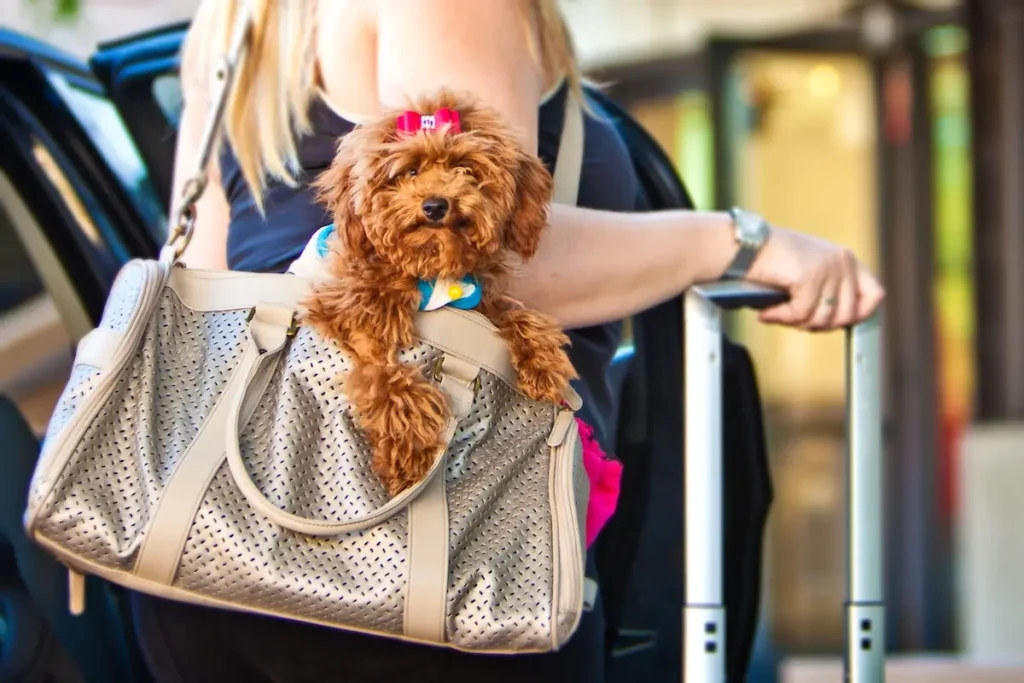
Tips for Flying with Your Pet in the U.S.
Flying with a pet requires thoughtful preparation, not just on travel day but in the days and weeks leading up to your trip. By planning ahead and understanding what your pet needs to stay calm and safe, you can prevent stress and ensure a smoother overall experience.
Book Early & Confirm Your Pet’s Reservation
Airlines limit the number of pets allowed in the cabin on each flight, often to just a handful. Booking early secures a spot for your pet and gives you time to gather documents, purchase an airline-approved carrier, and understand any route-specific restrictions. After booking, it’s a good idea to call the airline to confirm your pet’s reservation to avoid any surprises at check-in.
Choose Nonstop Flights When Possible
Nonstop flights minimize stress for pets by reducing handling, exposure to busy terminals, and the chance of delays or missed connections. Even if a nonstop flight is slightly more expensive, the reduced travel time and fewer transitions make it safer and more comfortable for your pet.
Prepare Your Pet for the Carrier
Acclimating your pet to their travel carrier is essential for a calm travel experience. Begin introducing the carrier well in advance by placing familiar bedding or toys inside, and encourage your pet to explore it during daily routines. As the trip approaches, practice having your pet spend extended periods inside the carrier to help them adjust to the confined space.
Pack Essential Supplies
Traveling with pets means having the right items available when needed. Absorbent pads, collapsible water bowls, treats, medication, and a favorite comfort item can help your pet feel secure. Even though pets cannot leave their carrier during the flight, familiar scents and textures help reduce their anxiety.
Have Documentation Ready
Many airlines require health certificates, vaccination records, or proof of microchipping, especially for international or Hawaii-bound travel. Keep these documents organized in a travel folder and easily accessible at check-in. Being prepared avoids delays and ensures your pet meets all airline and destination requirements.
Work with Pet Travel Specialists
For more complex itineraries, international flights, or pets affected by breed restrictions, professional support can make all the difference. Specialists like Pets in Transit understand the nuances of airline policies, temperature restrictions, and import laws, helping you avoid problems and streamline the travel process.
FAQs About Airline Pet Policies
Flying with pets raises a lot of questions, especially for first-time travelers. Airlines, TSA, and destination countries all follow different rules, and it can be difficult to know what applies to your situation. This FAQ section answers the most common questions pet owners ask when preparing to fly with their pets.
Are You Allowed to Bring Your Pets on a Plane?
Yes, most major U.S. airlines allow pets to travel, but eligibility depends on the pet’s size, species, age, breed, health, and the airline’s specific rules. Small pets typically travel in the cabin inside an airline-approved carrier, while some airlines also allow checked baggage or cargo travel for larger pets.
What Are the Rules for Flying with Pets?
Rules vary by airline, but all carriers require pets to be transported in approved carriers, meet age and health requirements, and remain secured throughout the flight. Some airlines limit travel during extreme temperatures or restrict certain breeds from traveling in cargo. Always review the airline’s official pet policy before booking.
How Do You Add a Pet to an Airline Ticket?
Most airlines require you to call after booking to add a pet to your reservation. Some carriers allow online requests, but confirmation typically happens over the phone because airlines limit the number of pets allowed per flight.
How Much Does It Cost to Fly with a Pet?
In-cabin pet fees generally range from $50 to $150 each way depending on the airline. Cargo or checked baggage travel, when available, can cost much more because pricing is based on the pet’s size, weight, kennel dimensions, and travel distance.
Do Pets Go Through TSA Security?
Yes. Small pets must be removed from their carriers and carried through the metal detector while the carrier goes through X-ray screening. Larger pets traveling in cargo are screened separately by airline staff. TSA agents may conduct additional checks to verify the pet’s identity and carrier safety.
What Are the TSA Rules for Pets?
TSA’s primary rule is that pets must be screened at security just like passengers. Pets must be leashed or securely held while their carrier is scanned. Owners may request a private screening room if their pet is anxious or difficult to handle. TSA does not regulate whether pets may fly. That decision belongs to the airline.
Do Pets Need Paperwork to Fly?
Most airlines require proof of vaccinations and a recent health certificate from a veterinarian, especially for interstate or international travel. Some destinations, such as Hawaii, Puerto Rico, and many foreign countries, require microchips, rabies titers, advance government approvals, or quarantine arrangements.
Does My Pet Need to Be a Certain Age to Fly on a Plane?
Yes. Most airlines require pets to be at least eight weeks old for domestic travel and at least 16 weeks old for international travel. Some airlines impose stricter age rules for cargo travel to protect young animals.
Can I Bring More Than One Pet on the Flight?
It depends on the airline. Some carriers allow two small pets in the same carrier if they are of the same species and fit comfortably. Others allow only one pet per passenger or require passengers to purchase an extra seat if they want to bring a second pet. Airlines also cap the total number of pets allowed in the cabin per flight.
Can I Buy My Pet a Seat on a Plane?
No. Pets traveling in the cabin must remain inside their carrier under the seat in front of you. Airlines do not permit pets to occupy passenger seats, even if you purchase an extra ticket.
How Long Can My Pet Sit on My Lap During a Flight?
Pets are not allowed to sit on your lap at any time during the flight. Airlines require pets to remain fully inside their carrier, zipped or latched, for the entire journey.
What If My Cat Meows During the Flight?
Cats vocalize for many reasons, including stress, discomfort, or unfamiliar sounds. To help calm your cat, use a comfortable carrier with familiar bedding, cover the carrier with a light blanket, and avoid opening the carrier during the flight. If your cat experiences extreme anxiety, ask your veterinarian about safe pre-travel calming options.
What If My Dog Barks During the Flight?
Dogs may bark during flights for a variety of reasons, such as nerves, unfamiliar noises, or changes in cabin pressure. While occasional barking is normal, you can reduce vocalization by preparing your dog ahead of time. Make sure your dog is comfortable with their carrier, include familiar bedding or a favorite toy, and consider covering the carrier with a breathable blanket to reduce stimulation. Avoid opening the carrier during the flight. If your dog has a history of anxiety, consult your veterinarian about safe calming aids or behavioral techniques that can help keep them relaxed throughout the journey.
Which Airline Is the Most Pet Friendly?
Alaska Airlines is widely considered the most pet-friendly U.S. airline due to its clear policies, reasonable fees, and availability of both cabin and checked-baggage options. JetBlue and Frontier also rank highly for small in-cabin pets.
Why Should I Work with a Pet Travel Service?
A pet travel service takes the guesswork out of navigating airline policies, health certificate requirements, breed restrictions, and destination regulations. Airlines, USDA rules, and foreign governments each have their own guidelines, and a single overlooked detail can lead to denied boarding or quarantine. Working with a service like Pets in Transit makes sure every step is handled correctly, from paperwork and vet appointments to flight selection and carrier guidance. This support is especially valuable for international travel, complex itineraries, pets with special needs, and destinations with strict import rules.
Traveling with Your Pet? Contact Pets in Transit
Traveling with pets shouldn’t feel overwhelming, and with the right guidance, it doesn’t have to be. Every airline follows unique rules for transporting animals, and understanding these differences is key to planning a safe, stress-free trip. Whether your pet is flying in the cabin or being checked as baggage where allowed, preparation is the best way to ensure comfort and safety.
At Pets in Transit, we specialize in helping families navigate the complexities of airline pet travel. We handle documentation, coordinate logistics, and guide you through every step of the process so your pet travels comfortably and confidently. If you’re preparing for a move, a vacation, or an international trip, our team is here to support you with personalized care and expertise.
Let us help you create a safe, smooth travel experience for your pet. Contact Pets in Transit today to request a free quote to get started.
Bon voyage!