
Travel can be a big moment for pet parents. Whether you are driving to a new city, flying for a move, traveling cross-country, or heading out for a long vacation, you’re dealing with a lot of planning and preparation. Your pet is experiencing something different. New sights, new smells, new sounds, and a shifting routine can feel confusing and intense, especially for animals that love predictability.
The good news is that pet travel anxiety is common and manageable. With the right preparation, many pets can learn to travel more comfortably.
Pet Travel Anxiety: An Overview
Pet travel anxiety is a stress response that shows up when a pet anticipates travel or is actively in transit. It can happen during car rides, in airports, on flights, in unfamiliar hotels, or even when packing begins and routines shift.
Some pets show anxiety only in one situation, like riding in a car. Others struggle with the entire travel experience, from leaving home to settling in a new place. Dogs and cats are the most commonly discussed, but many companion animals can experience travel related stress.
Travel anxiety can also overlap with other issues such as motion sickness, pain, or sensitivity to noise. That is why observing your pet closely and involving your veterinarian when needed can make a major difference. It also helps to separate anxiety from a one-time reaction. If a pet is startled by a loud truck and trembles for a moment, that is normal. Anxiety usually has a pattern. It tends to repeat, intensify, or begin before travel even starts.
Signs of Anxiety in Pets
Pets can’t tell us they are stressed with words. They communicate with body language, physical symptoms, and behavior. Some signs are subtle at first and easy to miss, especially if you are focused on traffic or airport timing. Keep an eye out for any of the following indicators of pet travel anxiety as you prepare for your upcoming trip.
Physical Signs
Physical symptoms are often the first signs pet parents notice during travel. These reactions are the body’s way of responding to stress, fear, or discomfort, and they may appear suddenly or build gradually as the journey begins.
Common physical signs of travel anxiety include the following:
- Excessive panting, drooling, or repeated lip licking, especially when the pet is not overheated or exerting energy
- Trembling or shaking, which may signal fear or an inability to self-soothe
- Vomiting or diarrhea, which can stem from stress, motion sickness, or a combination of both
- Reduced appetite or refusal of treats, even foods the pet normally enjoys
While any of these signs can occasionally occur on their own, a pattern during travel is worth noting. Physical symptoms often intensify if anxiety is left unaddressed, and they can also mask underlying issues like nausea or pain that deserve veterinary attention.
Behavioral Signs
Behavioral changes are a pet’s way of communicating emotional distress. During travel, these behaviors may look different from how your pet acts at home, which can make them easier to overlook or misinterpret.
Common behavioral signs of travel anxiety include the following:
- Whining, barking, meowing, or other vocalizing that seems out of character
- Pacing, repeated repositioning, or an inability to settle in one place
- Attempts to escape the vehicle, crate, or carrier, such as clawing, chewing, or pushing against barriers
- Clinginess, withdrawal, hiding, or shutting down completely
Some anxious pets become restless and vocal, while others grow quiet and withdrawn. Both responses indicate discomfort. Remember that a lack of movement or sound does not always mean a pet feels safe; it may mean they are overwhelmed and coping by freezing.
Body Language Cues
Subtle changes in posture and facial expression can offer important insight into how a pet is feeling. These cues are especially helpful for identifying anxiety early, before physical or behavioral symptoms escalate.
Common body language signs of travel anxiety include the following:
- A tightly tucked tail or ears pinned flat against the head
- Wide or darting eyes, a tense facial expression, or visible whites of the eyes
- A stiff posture, crouched position, or lowered body stance
- Repeated yawning when not tired, frequent blinking, or rapid head turns
When these cues appear consistently during trips, they suggest that travel is emotionally taxing and that additional support may help prevent anxiety from worsening over time. Because these signals can be easy to miss, especially during busy travel moments, paying attention to your pet’s baseline behavior is key.
How to Manage Pet Travel Anxiety
The most effective approach is often a layered plan. Think of it like building comfort from the ground up. Start with behavior and environment, add supportive products if needed, and involve your veterinarian when anxiety is intense or travel is long.
Behavioral & Emotional Support Strategies
Behavioral and emotional support strategies form the foundation of managing pet travel anxiety. These approaches focus on helping your pet feel safer, more confident, and more in control of their environment over time. While they require patience and consistency, they often create the most lasting improvements because they change how your pet emotionally experiences travel, not just how they react in the moment.
Build Positive Associations
The idea is to teach your pet that travel can lead to good things. Start with very short trips that end somewhere fun, like a quiet park, a friend’s backyard, or a pet-friendly store where your pet enjoys the experience. If your pet only ever rides in the car for the vet, mix in neutral or positive rides so the car stops predicting stress.
Keep the first sessions light. Use treats your pet loves. Offer praise for calm behavior. If your pet is not food motivated, use a favorite toy or a calm affectionate routine.
Practice Desensitization Step by Step
Desensitization means gradually exposing your pet to the travel process without overwhelming them. Start with the carrier or crate in your home. Leave it open and accessible. Toss treats inside, and feed meals nearby. Let your pet explore at their own pace.
Then, move to the car. Sit in the parked car with the doors open and your pet on a leash or secured in the carrier. Keep it short, and end on a positive note. Next, close the doors while you sit inside together. Then turn on the engine without driving. After that, drive for one to two minutes, then return home. Slowly increase the time.
The key is to progress only when your pet is handling the current step. If you jump too quickly, anxiety can spike and training can backslide.
Make the Travel Space Feel Familiar
Familiar items can lower stress. Bring your pet’s favorite blanket, bed, or a worn t-shirt that smells like you. Use a carrier or crate that your pet already knows. If you must buy a new travel crate, introduce it weeks in advance, and make sure it’s the appropriate size for your pet. If your pet sleeps with a specific toy, consider bringing it as long as it is safe and cannot become a choking hazard.
Create Physical Comfort
Temperature matters. A hot car can increase stress fast, so keep airflow steady and avoid direct sun on your pet. Additionally, some pets relax with a covered carrier because it reduces visual stimulation. Others get more nervous if they cannot see. Try both during practice sessions to see what helps.
Stability matters too. A sliding carrier can make a pet feel unsafe. Use non-slip bedding and secure the carrier so it does not shift.
Use Calming Sound & Routine
Many pets respond well to calm, steady sound. Soft classical music or gentle ambient noise can reduce startle reactions. A predictable pre-travel routine can also help. For example, a short walk, a bathroom break, a quiet cuddle, then into the crate with a treat. Repetition makes the process feel less chaotic.
Exercise Before Travel
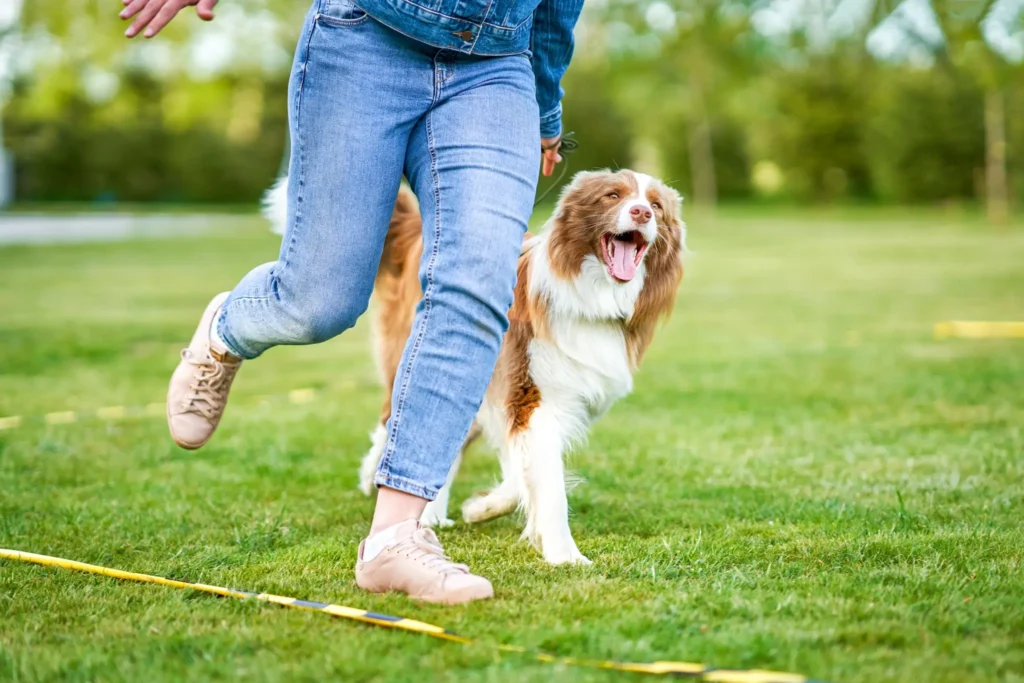
For dogs especially, physical activity can help reduce restlessness. A good walk, a play session, or a bit of training work can take the edge off.
For cats, interactive play can help. Use a wand toy for a few minutes, then offer a meal or a high-value treat so they settle.
Products & Calming Aids
Products can be helpful, especially when paired with training. The best choice depends on your pet’s needs, the length of travel, and any medical conditions.
Calming Wraps & Anxiety Jackets
Calming wrap garments and anxiety jackets apply gentle, even pressure around the body. Many pets find this soothing, similar to how some people feel calmer under a weighted blanket.
Introduce the wrap at home first. Put it on for short periods while your pet is relaxed and rewarded. Avoid making the wrap a signal that something stressful is coming.
Pheromone Sprays & Wipes
Pheromone products mimic natural calming signals. They are not a sedative but simply a background tool. For dogs, these are often used on bedding or in the crate. For cats, pheromone sprays or wipes can be applied to the carrier and allowed to dry before your cat enters.
Herbal & Supplement Options
Some pets respond to certain supplements, but you should always talk with your veterinarian first, especially if your pet has medical issues or takes other medications. Common options include chamomile for mild calming, melatonin for situational stress, and ginger for nausea support.
Keep in mind that natural does not automatically mean safe. Dosing matters, and some ingredients can interact with other medications. When in doubt, check with your vet.
Chews, Treats, & Lick-Based Calming Tools
Licking and chewing can be naturally soothing for many pets. Some pet parents use long-lasting chews or safe lick mats before travel to promote calm. During travel, be sure to always choose items that are safe and appropriate for supervision, especially in a carrier.
Travel Gear That Supports Stability
Sometimes the most effective “calming product” is a better setup. A properly sized crate or carrier helps a pet feel contained but not cramped, and non-slip padding improves stability. A secured harness and seat belt system for dogs can also reduce movement and help the pet feel safer.
Medical Options with Veterinary Guidance
If your pet’s anxiety is intense, or if travel is unavoidable and long, medication may be appropriate—especially for flights, cross-country moves, or pets with a history of panic. You don’t want to knock your pet out. Instead, the goal is to reduce fear so your pet can cope with the experience.
Prescription Pet Travel Anxiety Medications
Veterinarians commonly prescribe medications like trazodone or gabapentin for situational anxiety. These can help reduce panic and improve comfort. Your vet will guide you on dosage, timing, and whether it is appropriate for your pet’s health and travel method.
Many pets respond better when the first dose is tested at home. That way you know how your pet reacts and whether the timing needs adjustment.
Motion Sickness Support
If nausea is part of the problem, addressing it can reduce anxiety dramatically. Some pets benefit from veterinary-recommended anti-nausea medications. Over the counter options like diphenhydramine or dimenhydrinate are sometimes discussed, but you should never dose these without your veterinarian’s approval because size, health status, and interactions make a difference. Ginger may help some pets, but again, check with your vet.
When to Seek Medical Support Sooner
Talk to your vet promptly if your pet has severe panic, self-injury attempts, repeated vomiting, diarrhea that continues after travel, or if your pet has underlying medical conditions. For older pets and pets with heart disease, respiratory issues, or seizure disorders, professional guidance is especially important.
7 Tips to Reduce Pet Travel Anxiety Before Your Trip
Preparation is often the difference between a chaotic travel day and one that feels steady and manageable for both you and your pet. Follow these tips to create predictability, comfort, and familiarity before an unfamiliar journey begins.
- Schedule a Veterinary Visit
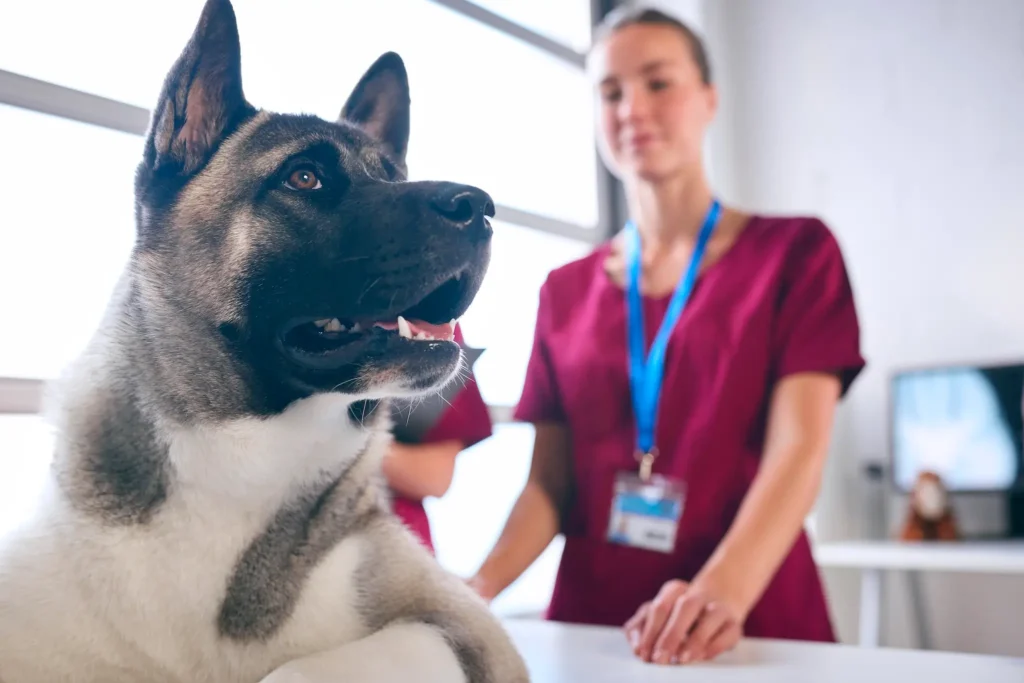
A pre-travel veterinary visit gives a professional the opportunity to look at your pet’s overall health and comfort before travel adds stress to the picture. Your veterinarian can help rule out issues that may worsen anxiety, such as ear infections that affect balance, joint pain that makes certain positions uncomfortable, or digestive sensitivities that contribute to nausea.
This visit is also the right time to have an honest conversation about your pet’s behavior during past trips. Sharing details about panting, vomiting, vocalizing, or panic allows your veterinarian to recommend tailored strategies, whether that means training adjustments, supplements, or prescription support. If you are flying or traveling internationally, your vet can also guide you on timelines for required health documentation so nothing feels rushed at the last minute. - Start Crate Training Early
A travel crate should feel familiar long before travel day arrives. When a crate only appears during stressful moments, pets quickly learn to associate it with fear or loss of control.
Begin by making the crate part of everyday life. Leave it open in a quiet area of your home. Place soft bedding inside, and allow your pet to explore freely. Gradually turn it into a positive resting space by offering treats, feeding meals nearby, and praising calm behavior when your pet chooses to step inside.
Over time, practice short periods with the door closed while you remain nearby. Slowly increase duration as your pet relaxes. By the time travel begins, the crate should feel like a safe retreat rather than confinement. - Practice Travel Routines in Advance
Travel day introduces many changes at once. Practicing small pieces ahead of time can make the overall experience feel less overwhelming. When parts of travel feel known, pets have fewer surprises to react to.
For car travel, short practice drives help pets adjust to movement, sound, and timing without the pressure of a long trip. Start with brief rides and gradually increase distance as your pet remains calm.
For pets traveling in carriers, especially cats, practice handling and movement gently. Carry the carrier for short periods, set it down, and reward calm behavior. Exposure to mild travel sounds during relaxed moments at home can also help reduce startle responses later. - Pack with Your Pet’s Comfort in Mind
Packing for your pet goes beyond food and paperwork. Familiar items help anchor your pet in a changing environment.
Bring your pet’s regular food to avoid sudden dietary changes, along with treats they know and enjoy. Pack a familiar bowl, favorite blanket, and an extra layer of bedding in case of accidents. Include all medications with clear instructions and timing notes so nothing is forgotten in the moment.
Having these items ready reduces stress for you as well, which your pet will notice. - Plan Timing, Meals, & Breaks Thoughtfully
How you schedule the journey can influence how your pet experiences it.
For road trips, regular breaks allow dogs to move, sniff, and decompress. These pauses can prevent restlessness from building. For pets prone to nausea, your veterinarian may suggest adjusting meal timing so travel does not coincide with a full stomach.
When arriving at a destination, set up a quiet space first. For cats, that may mean a room with a litter box, food, water, and hiding spots. For dogs, it may involve a short walk followed by a calm settling period. Giving your pet time to adjust before introducing new stimuli can ease the transition. - Pay Attention to Your Own Energy
Pets are highly attuned to human emotions. When travel feels rushed or tense, pets often reflect that stress.
Build extra time into your schedule that allows you to move calmly and predictably. Speaking in a steady voice, using familiar routines, and maintaining patience all contribute to a more reassuring environment for your pet. - Work with a Professional Travel Partner
In many cases, the most stressful part of pet travel is not the pet itself but the complexity surrounding the journey. Airline regulations, international requirements, crate specifications, and strict timelines can quickly become overwhelming.
Working with an experienced pet travel partner helps remove much of that pressure. Professional guidance can simplify planning, reduce unexpected challenges, and support safe handling throughout the process.
Pets in Transit works with pet families to manage these details while prioritizing animal comfort and safety. For relocations, international moves, or trips with tight constraints, having knowledgeable support can make the entire experience feel far more approachable.
FAQs About Pet Travel Anxiety
What Is Pet Travel Anxiety?
Pet travel anxiety is a stress response that occurs when a pet anticipates or experiences travel. It can happen during car rides, flights, airport stays, or transitions into unfamiliar environments. Anxiety may show up before the trip begins or intensify once the pet is in motion or away from home.
How Do I Know If My Pet Has Travel Anxiety or Motion Sickness?
The two often overlap, which can make them hard to separate. Motion sickness typically involves drooling, nausea, vomiting, or lethargy during travel. Anxiety may include pacing, vocalizing, trembling, or attempts to escape. Many pets experience both, which is why addressing nausea can sometimes reduce anxiety and vice versa.
Can Pets Grow Out of Travel Anxiety?
Some pets improve with consistent exposure and positive experiences, especially when anxiety is mild. Others may need long-term management through training, environmental adjustments, or veterinary support. Improvement is possible at any age, but progress tends to be more reliable when changes are introduced gradually.
Should I Give My Pet Calming Supplements Before Traveling?
Calming supplements may help some pets, but they should never be given without veterinary guidance. Even natural products can interact with medications or be unsafe at certain doses. A veterinarian can help determine whether supplements are appropriate for your pet’s health and travel plans.
Are Prescription Medications Safe for Pets with Severe Travel Anxiety?
When prescribed and monitored by a veterinarian, anxiety medications can be safe and effective. These medications are intended to reduce panic and distress, not sedate the pet completely. Many veterinarians recommend testing medication at home before travel so dosing and timing can be adjusted if needed.
How Far in Advance Should I Start Preparing My Pet for Travel?
Ideally, preparation should begin weeks or even months before travel, especially for longer trips or flights. Early crate training, short practice rides, and routine exposure allow your pet to build familiarity and confidence over time rather than being overwhelmed on travel day.
Does Hiring a Pet Travel Company Really Reduce Pet Anxiety?
For many pets and owners, yes. A professional pet travel company helps remove uncertainty, rushed decision-making, and last minute complications. When travel logistics are handled smoothly, owners are calmer, and that calm carries over to their pets. Proper planning also reduces unexpected delays, handling errors, and environment changes that can increase stress.
Why Work with a Pet Travel Partner like Pets in Transit?
Pet travel involves more than transportation. Documentation, timing requirements, airline regulations, crate standards, and safe handling all play a role in how a pet experiences the journey. Pets in Transit helps manage these details while prioritizing the comfort and safety of your pet. Having experienced guidance allows pet parents to focus on supporting their pet emotionally rather than navigating complex logistics alone.
How Does Pets in Transit Help Create a Smoother Travel Experience?
At Pets in Transit, we work with pet families to plan each step of the journey in advance, reducing surprises and unnecessary stress. From helping select appropriate travel setups to coordinating timelines and compliance requirements, our support creates a more predictable experience for both pets and owners. That structure and preparation can significantly reduce anxiety before and during travel.
Traveling with Your Pet? Contact Pets in Transit Today
Pet travel anxiety can feel stressful for everyone involved, but it is not something you have to accept as inevitable. Many pets improve with practice rides, familiar comfort items, and a calmer routine around travel. Supportive products can add an extra layer of relief. For pets with intense anxiety or nausea, veterinary guidance and medication can be an important part of the plan.
If you are preparing for a trip or a move and want help making the process more predictable and less stressful, we can help you plan a travel experience that supports your pet’s safety and comfort while taking the complexity off your plate.
Contact Pets in Transit today to request a free quote and get expert help for your pet’s upcoming journey. Let us take the stress out of pet travel so you and your furry companion can focus on the journey ahead.
Bon voyage!